News

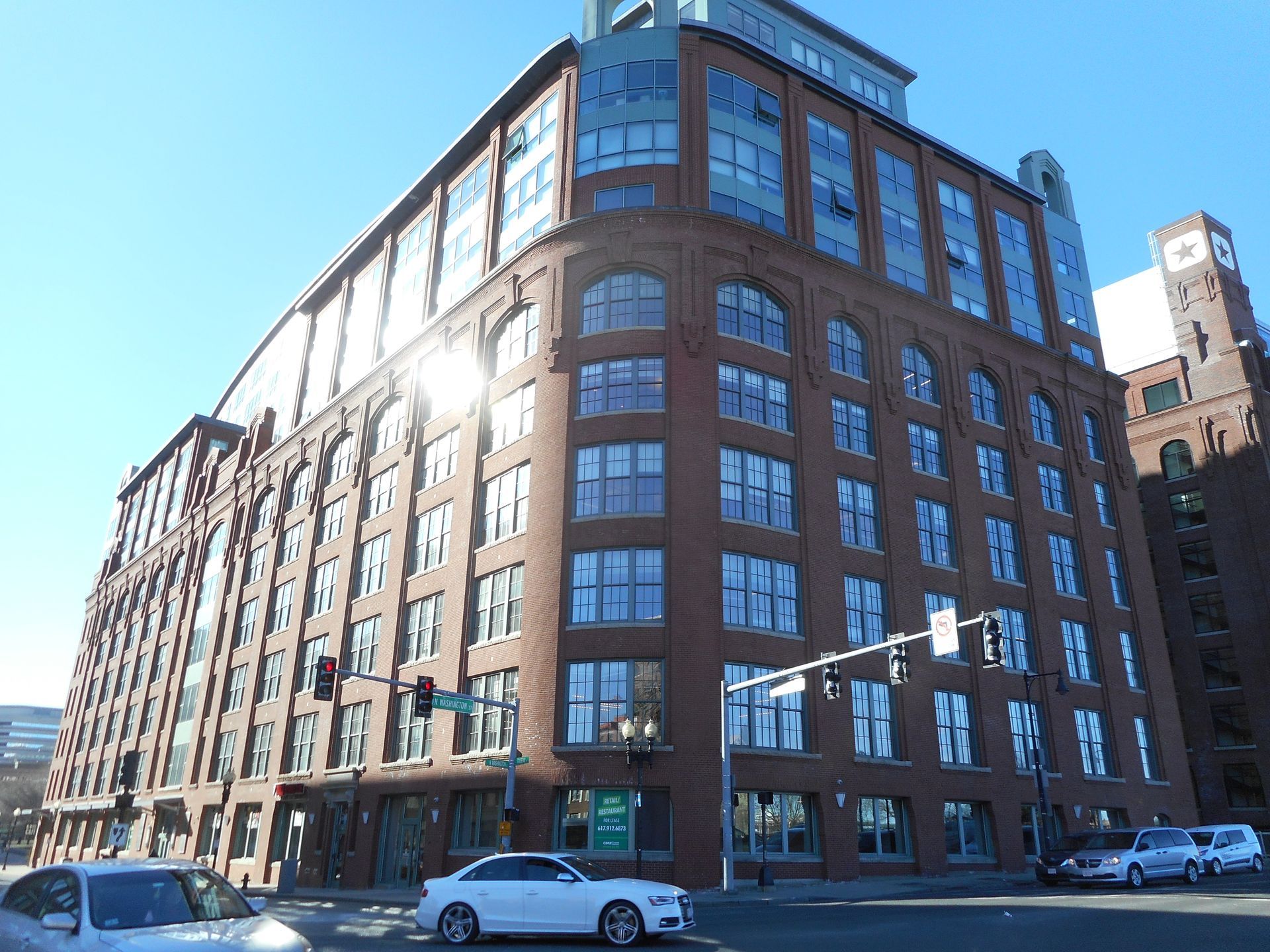
Multi-family residential building
April 15, 2026
When planning for your community’s future, who performs your Capital Reserve Study is just as important as what the report contains. A Capital Reserve Study is a financial plan for condo, co-op, and HOA boards to schedule repairs and replacements of building systems and common areas. Precise inspections and projections help preserve property values, maintain infrastructure, and prevent surprise assessments.
April 7, 2026
Attention Community Association Managers! Stay up-to-date on new funding requirements affecting condominium communities with Fannie Mae or Freddie Mac-backed loans, as detailed in Lender Letter (LL-2026-03) . Effective soon, there will be changes to the minimum replacement reserve funding in community’s budgets.
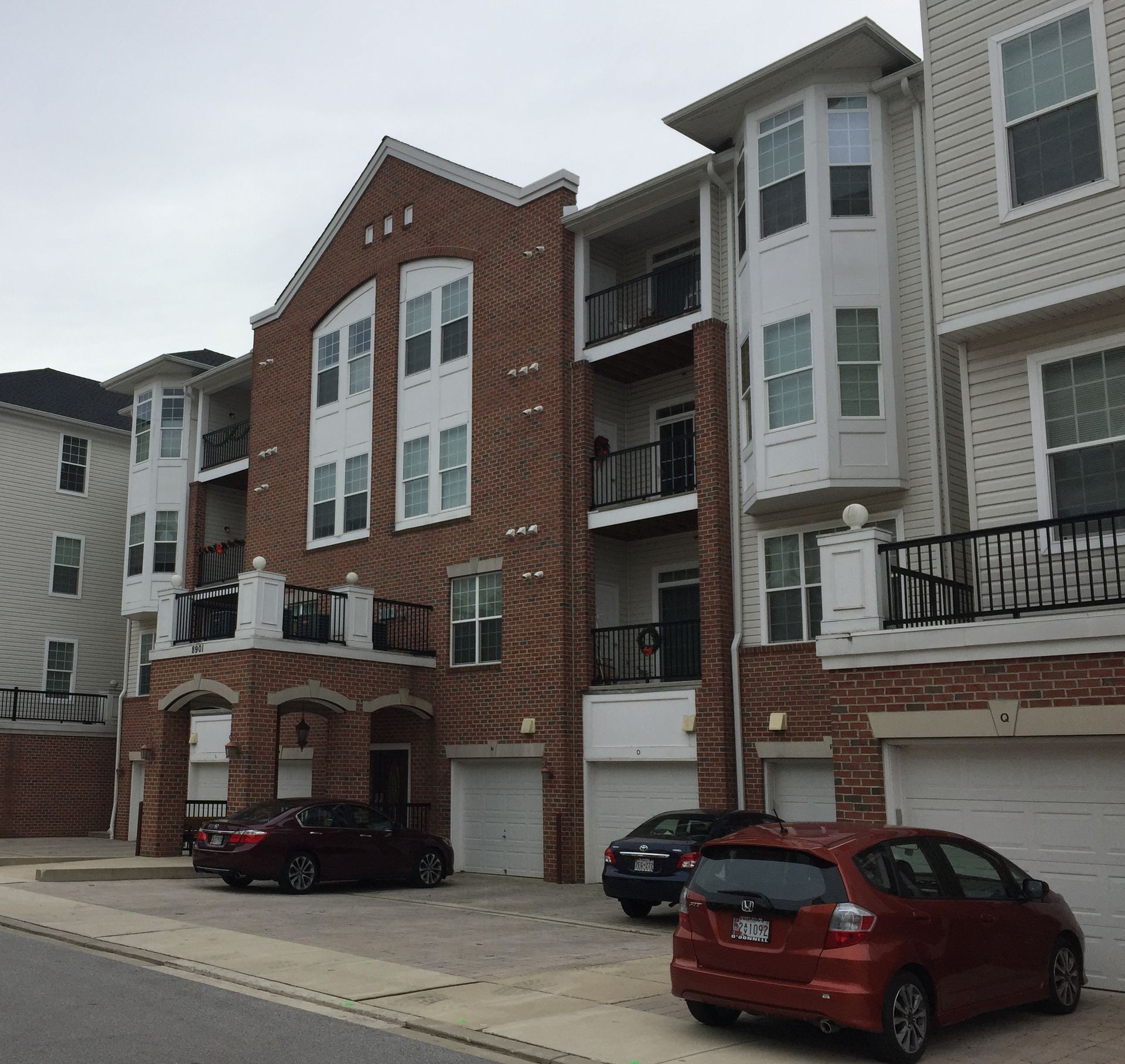
Multifamily building with balconies
March 16, 2026
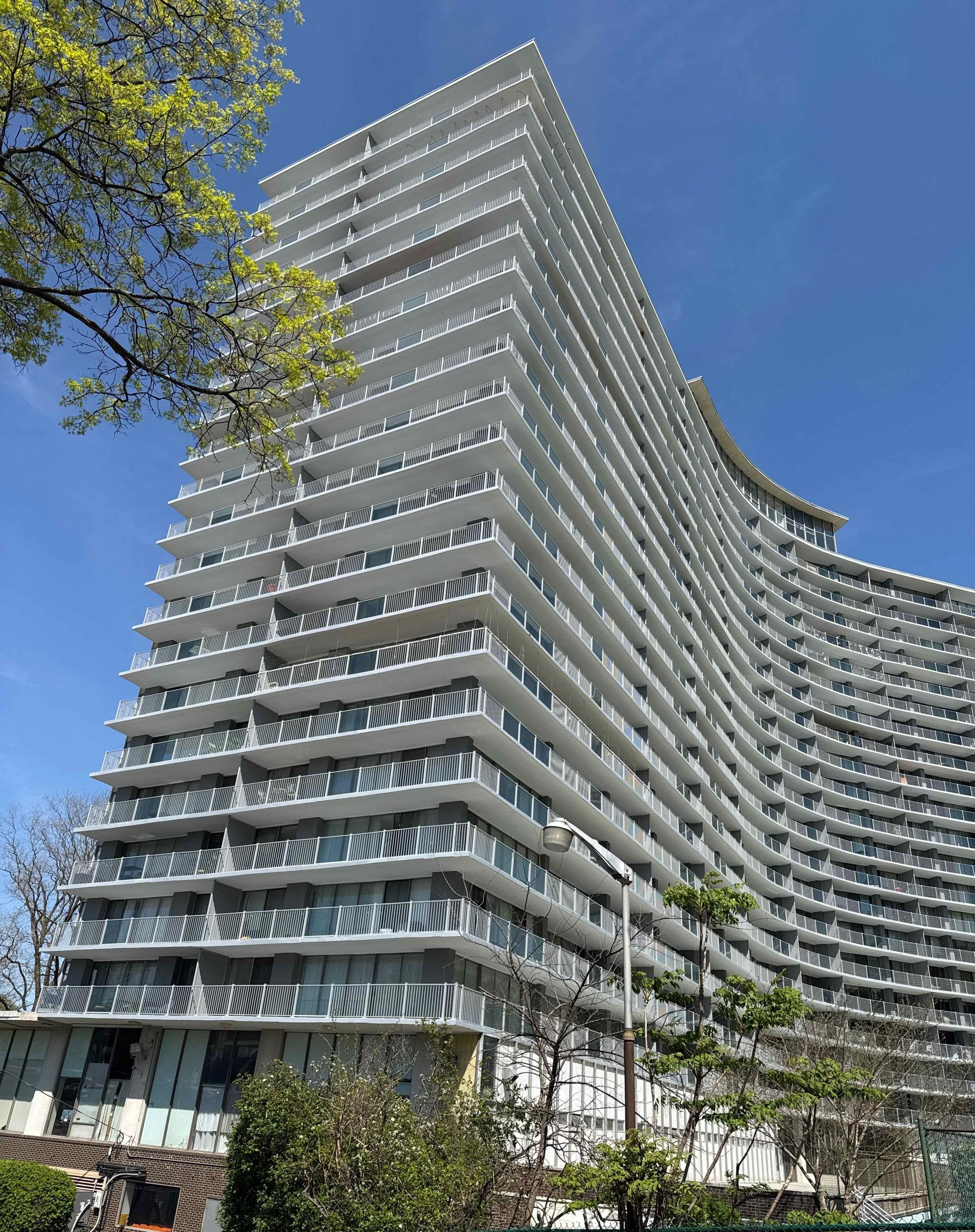
Your balconies aren’t just outdoor spaces - they are critical structural components of your building. Over time, exposure to weather, moisture, and daily use can lead to hidden damage that compromises safety and aesthetics. Why Regular Inspections Are Essential: Detect early signs of deterioration before they become costly hazards. Ensure compliance with current building codes and safety standards. Preserve property value and maintain resident confidence. When Replacement Is the Best Option: If inspections reveal structural weaknesses, timely replacement is key. Contemporary balcony systems provide enhanced durability, waterproofing, and aesthetic value, ensuring long-term protection of your investment.
Parking garage
March 4, 2026
The Borough of Fort Lee has enacted Ordinance 2025‑17, mandating regular structural inspections of parking garages to promote safety and enhance long-term durability. This ordinance is applicable to the majority of commercial and multi‑family residential properties containing parking structures. KEY PROVISIONS OF ORDINANCE 2025‑17 Applies To: The ordinance covers most commercial and multi-family residential properties with parking garages. However, wood‑frame garages are exempt from these requirements. Inspection Requirement: Owners must ensure their parking structures undergo regular structural inspections as mandated by the ordinance. Initial Deadline: Structures that are five years old or older must comply with the inspection deadline of December 31, 2026 as set forth in the ordinance. Reporting: After inspections, owners are required to submit reports detailing the condition of the parking garages in accordance with the ordinance. Condition Ratings: Inspected structures will be assigned condition ratings. Those classified as Unsafe must be repaired promptly and have follow-up reporting performed. Structures that are classified as Unsafe must be repaired without delay. Once repairs are completed, owners are required to submit follow-up reports documenting the corrective actions and current condition of the parking garage. This process ensures that safety concerns are promptly addressed and monitored over time. Parking garages are subject to harsh environmental conditions that can accelerate structural deterioration. This ordinance is intended to identify issues early, allowing owners to address problems before they become severe. By complying with the inspection and reporting requirements, owners can help protect the safety of the public and building occupants, reduce exposure to liability risks, avoid costly emergency repairs and violations, and better plan for future repairs and capital improvements.
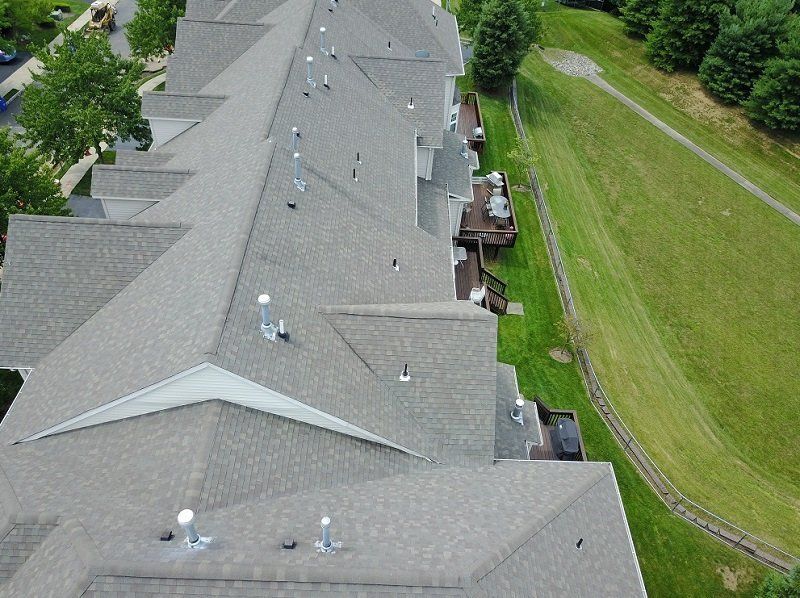
multi-residential building with snow and ice on roof
January 28, 2026
Winter is here - and with it comes one of the most important signals your roof may be failing: ice damming. If you’ve noticed thick ridges of ice forming along your roofline, or you are experiencing leaks inside during freeze–thaw cycles, it could signal that a roof replacement is needed. Ice dams don’t just happen because of cold weather - they’re often a sign of: Aging shingles that can’t shed water properly Underlying roof damage or deterioration Poor or failing attic ventilation Insufficient insulation allowing heat to escape If not properly managed, ice damming may result in significant expenses by causing interior water damage, mold development, compromised gutters, and potential structural concerns.
Multifamily residential building
October 22, 2025
Please be advised that owners of covered buildings are required to submit annual benchmarking reports to the Maryland Department of the Environment (MDE) via the ENERGY STAR Portfolio Manager platform. The Maryland Building Energy Performance Standards (BEPS) aims to track energy use, achieve zero net direct GHG emissions by 2040, and boost building energy efficiency. Building owners may authorize a third-party agent to submit these reports on their behalf. Benchmarking reports submitted to MDE by September 1, 2025 and June 1, 2026 and beyond, will be deemed timely. A covered building is a commercial or multifamily residential building in the State of Maryland or is owned by the State of Maryland and has a gross floor area of 35,000 SF or more, excluding the parking garage area. Building owners can search for their buildings and reference number (Unique Building Identifier or UBID) at https://mdbeps.mde.state.md.us . This UBID must be entered in the ENERGY STAR Portfolio Manager. Beginning in 2026 and every five years thereafter, building owners are required to have a third party verify the accuracy of their benchmarking reports prior to submitting them to MDE. If a building owner already uses a third party to submit reports, that same entity may also fulfill the verification requirement. Regulatory requirements can be complex, but our engineers are able to assist with data collection, reporting, and compliance with verification requirements. Furthermore, our comprehensive team of engineers can design energy-efficient upgrades for building systems, aiming at optimizing performance and fostering healthier, more sustainable buildings throughout Maryland. If you have any questions or need assistance, please contact Becht today at 800.772.7991 or information@bechtbt.com to learn how we can assist you with your building’s benchmarking needs.
Show More

Continuing Education

Becht Engineering BT, Inc, is an approved Community Association Managers International Certification Board (CAMICB) Continuing Education Provider. Continuing Education Credits (CEUs) are necessary to maintain CAMICB certifications and licenses. Our experts can assist Property Managers with earning their CEUs. We can host lunch and learns at your request on a variety of subjects at your office or one of ours.
Balconies on multifamily building

Building Maintenance Planning

Centers around building components and innovative approaches to planning their maintenance.

Multifamily Building

Building Science

Analysis (thermal, vapor, and air pressure) and control of the physical phenomena affecting buildings.

Capital Reserve Studies

The purpose and useful application of Capital Reserve Studies for common interest realty associations.

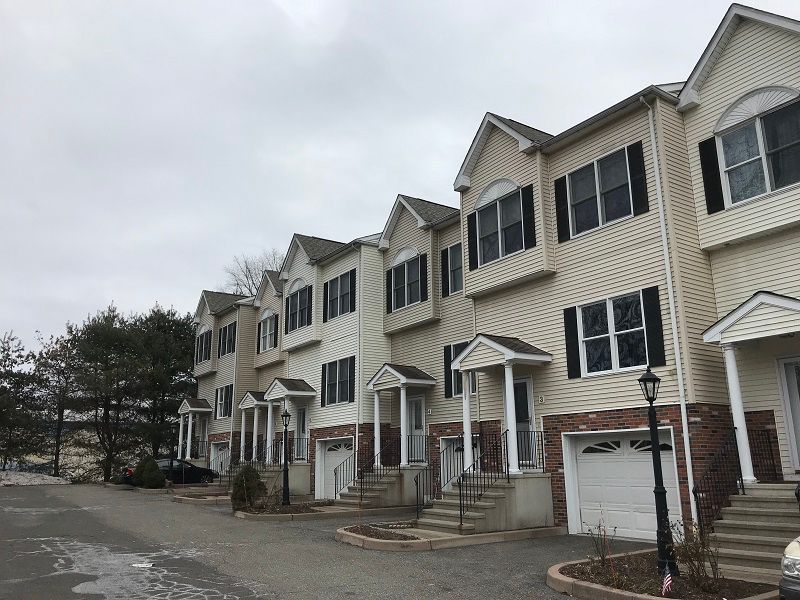
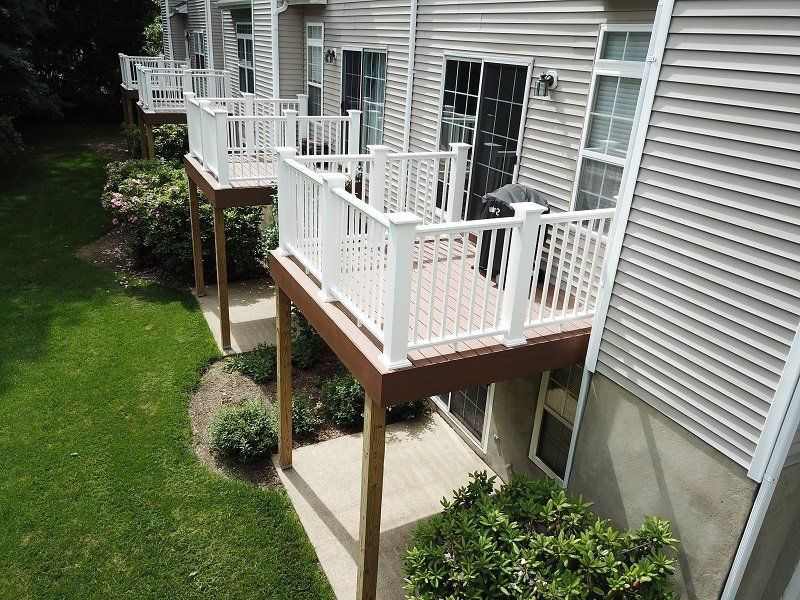
Townhomes

Deck Replacement & Deck Repair

A look into deck refurbishment, decomposition, and what is needed, and compares replacement vs. repairment.

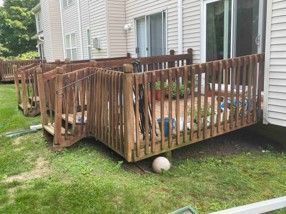
Decks on residential building in need of repair
Townhouses

Deficiencies in Developer-Drafted Documents 

Types of governing document language, how to utilize existing authority, the process for amending documents, and strategies for executing a change. 

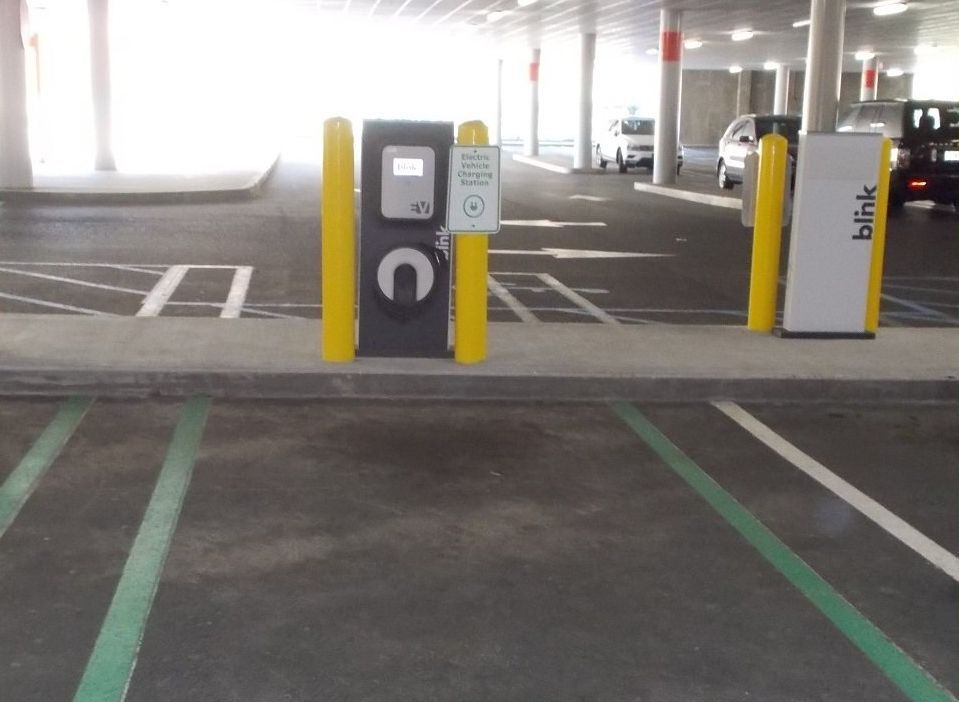
Electrical vehicle charging station

Electrical Vehicle (EV) Charging Stations

What residents expect and what can be accomplished when it comes to EV charging stations.

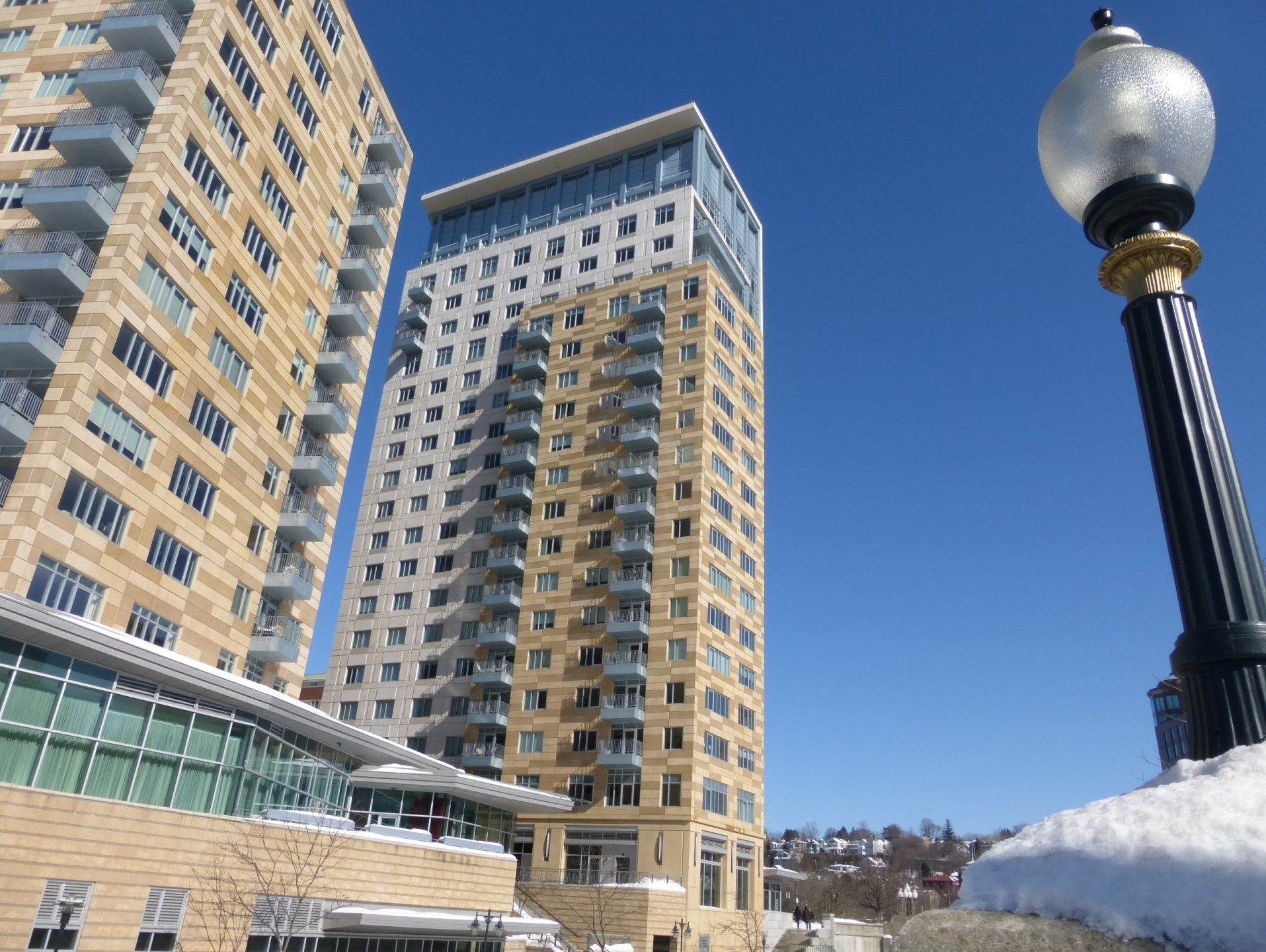
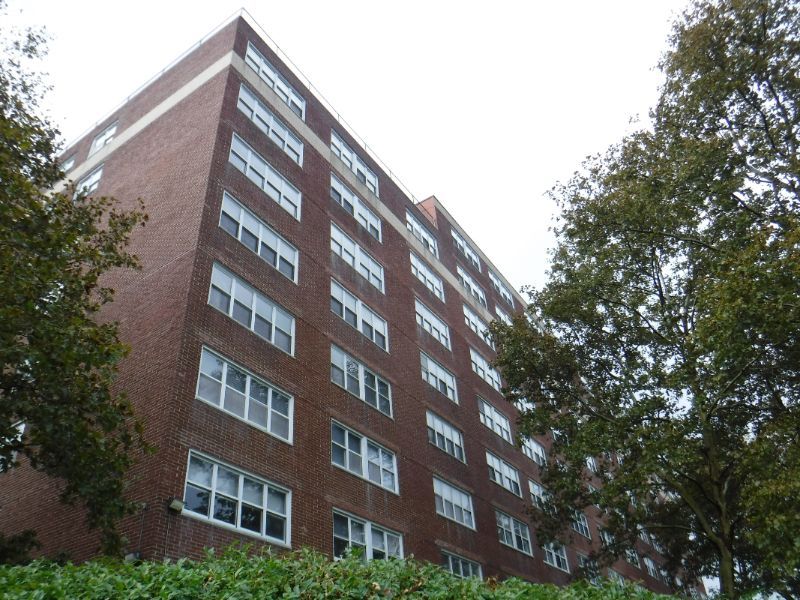
High-Rise HVAC 101

Overview of the HVAC systems most commonly employed in high-rise multi-family buildings.

High-rise multifamily residential building

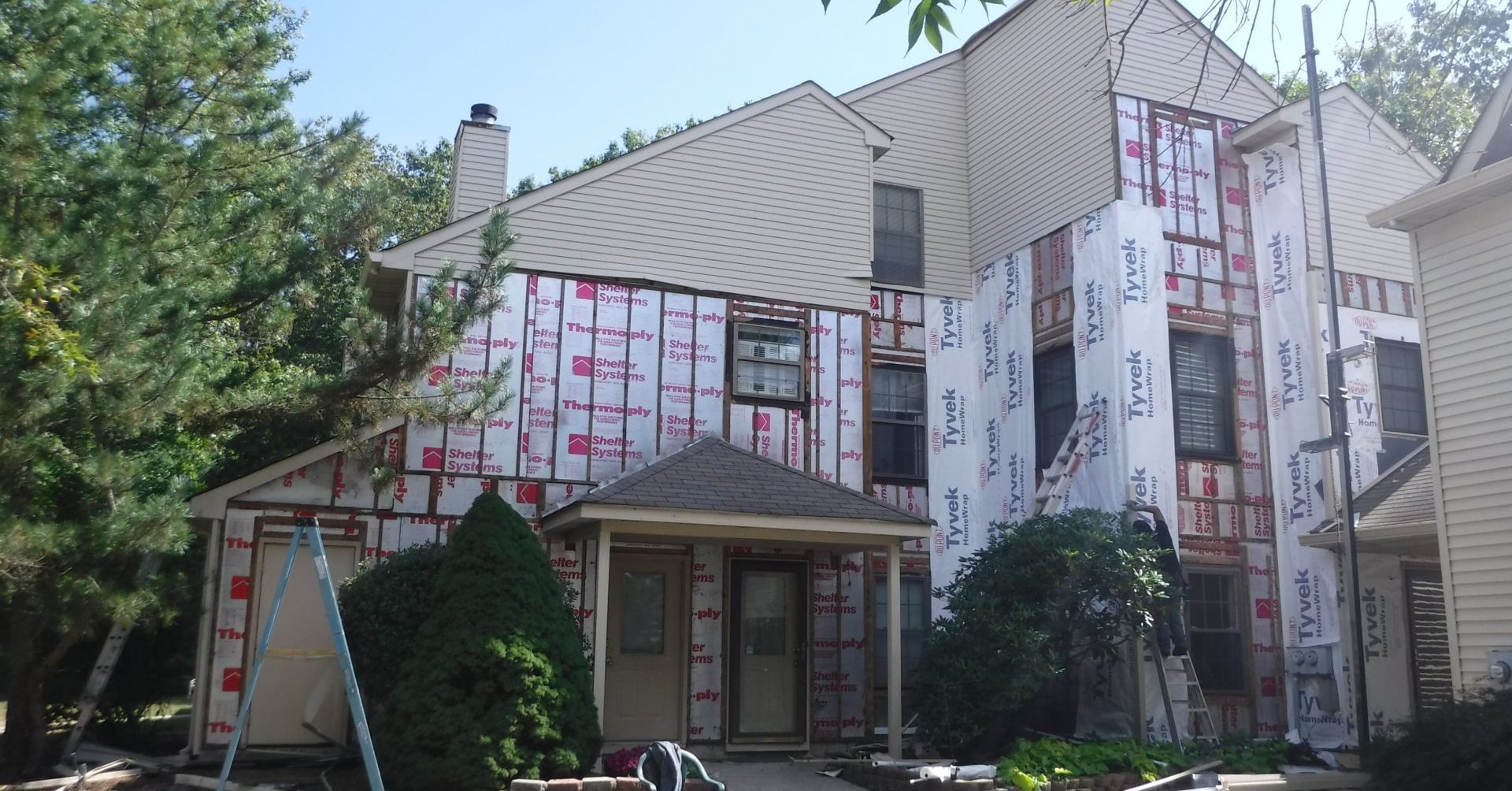
Life Expectancy of Vinyl Siding

Benefits of vinyl siding, what affects it, factors that attribute to its life cycle, and overall expectations.

vinyl siding replacement on residential building
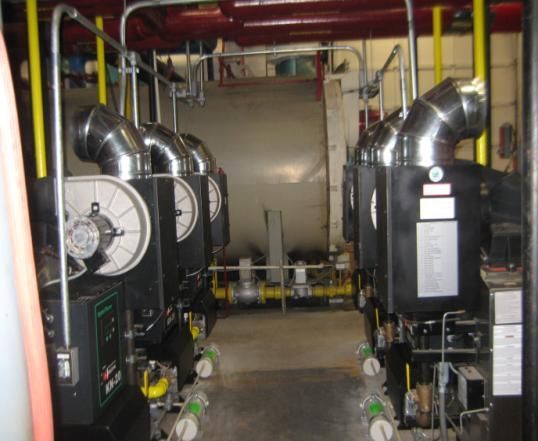
Boilers

Maintaining Boilers & Furnaces

Maintaining boilers & furnaces-preventing faulty combustion, preventing carbon monoxide poisoning & proper venting.

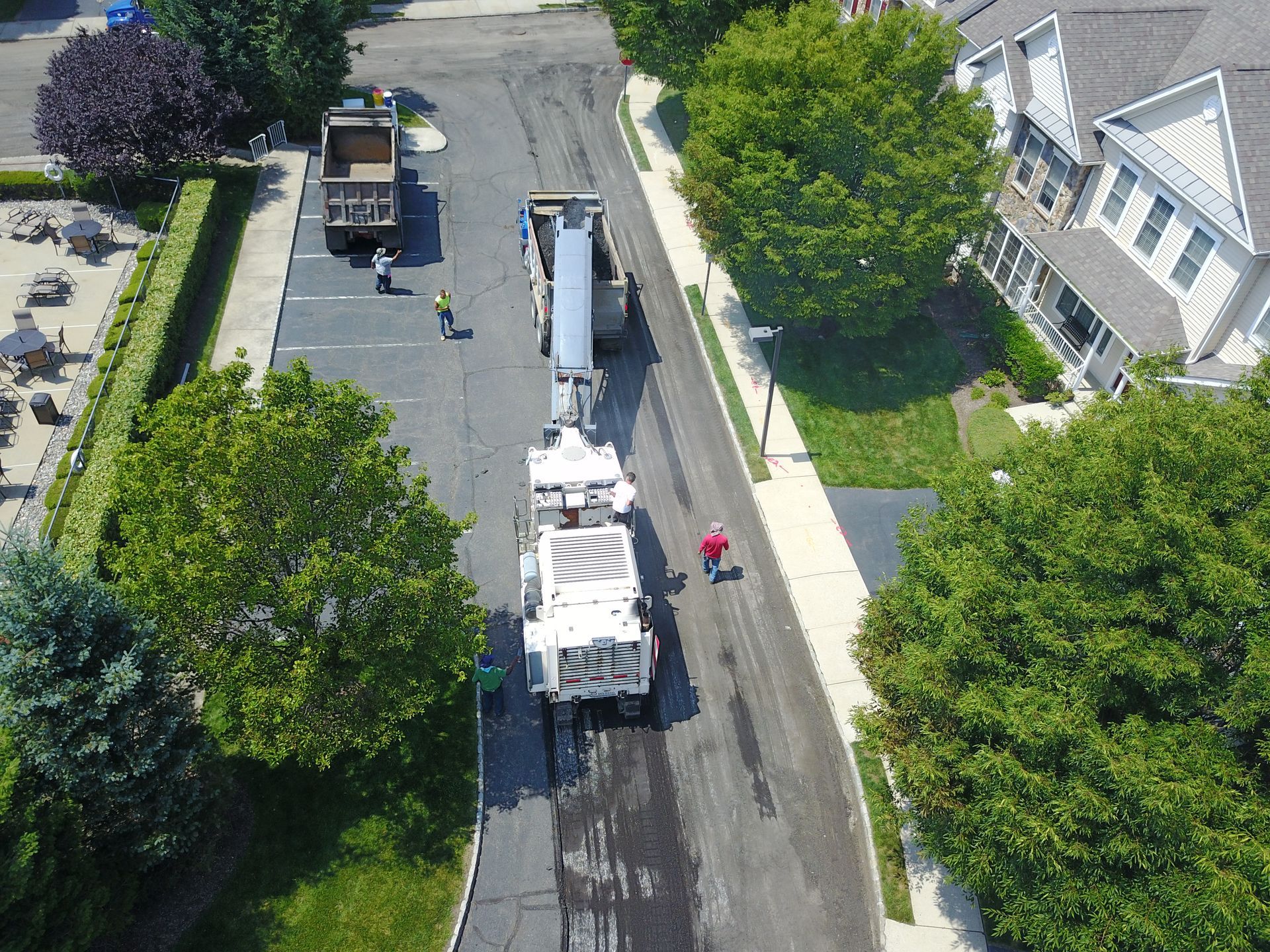
Multifamily residential community paving project

Mastering RFPs and Vendor Selection for HOAs

Difference between maintenance and capital expenditure projects, when to engage engineers, architects, project managers, how to create effective RFPs, and to help create effective Bid Packages

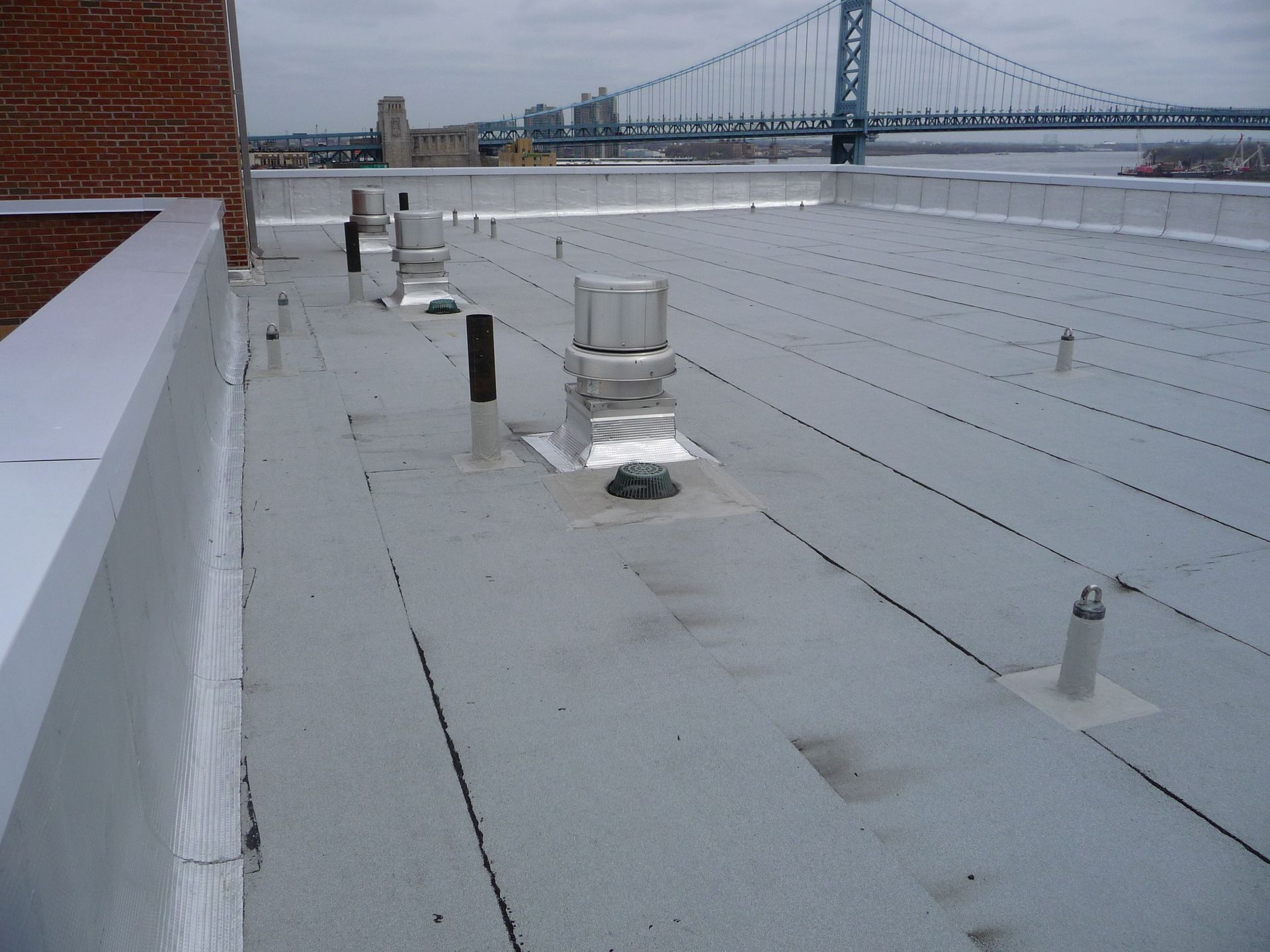
Mid-Rise & Multistory Flat Roofs

Identifies types of low slope roofing, signs of failures/ defects, repair or replace, testing, & coatings. 

Flat roof on multifamily residential building

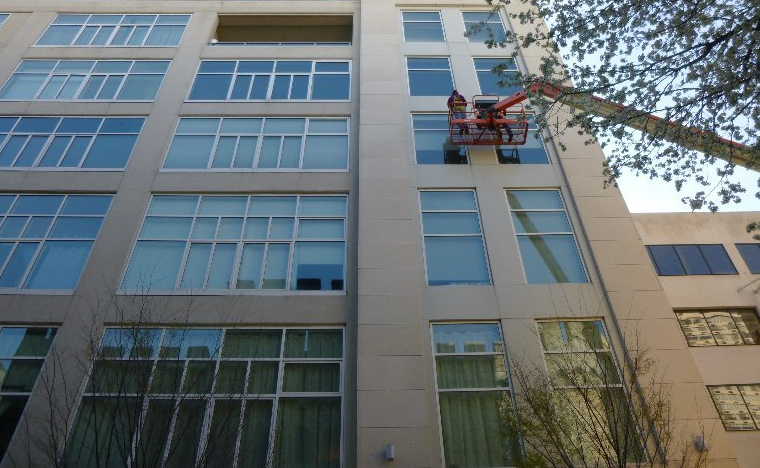
Multi-family Building Facades

Overview of the design, maintenance, and repair of facades on multi-family buildings.

Facade repair on multifamily building
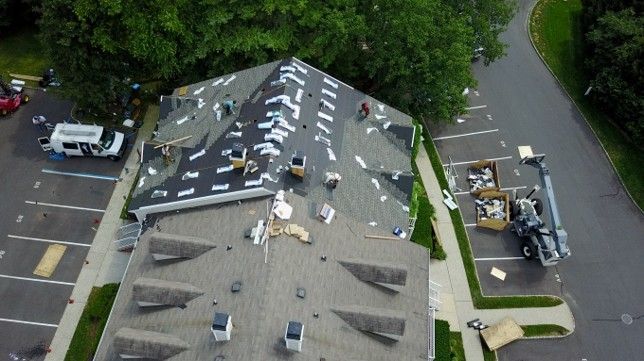
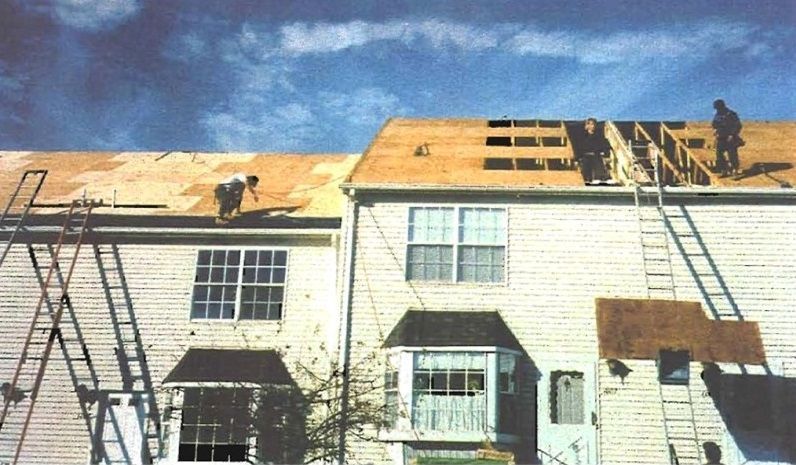
Roof replacement on residential building

Planning for Capital Replacement Projects

Focuses on need for proper planning for major construction projects from a timing perspective & technical & administrative aspects of implementation.

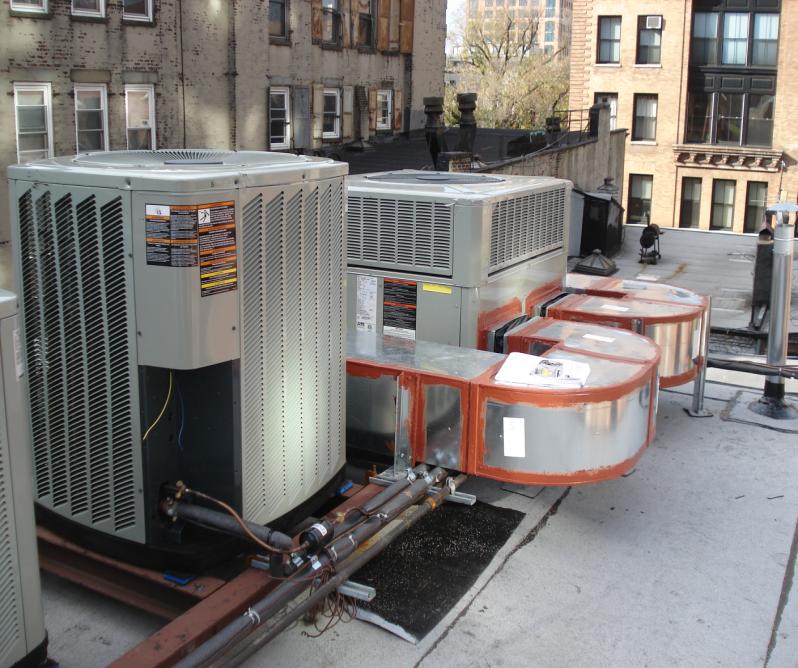
air handing units on residential building

Proper Planning for MEP Capital Projects

The life cycle of a well-planned Capital Project, from the initial need through project closeout.

Protecting Common Elements

Addresses roof, attic, building envelope, road, drainage system, and landscaping inspections.

Multifamily residential buildings

Water Infiltration Issues at High-Rise Buildings

Overview of the types of building materials for high-rise construction, types of water intrusion, impact, investigating and diagnosing, and overall approach. 

Multi-family community

Want some inbox love?

Sign up for our Eblasts!

Subscribe to receive updates on new services & projects, new laws & ordinances, and company announcements.